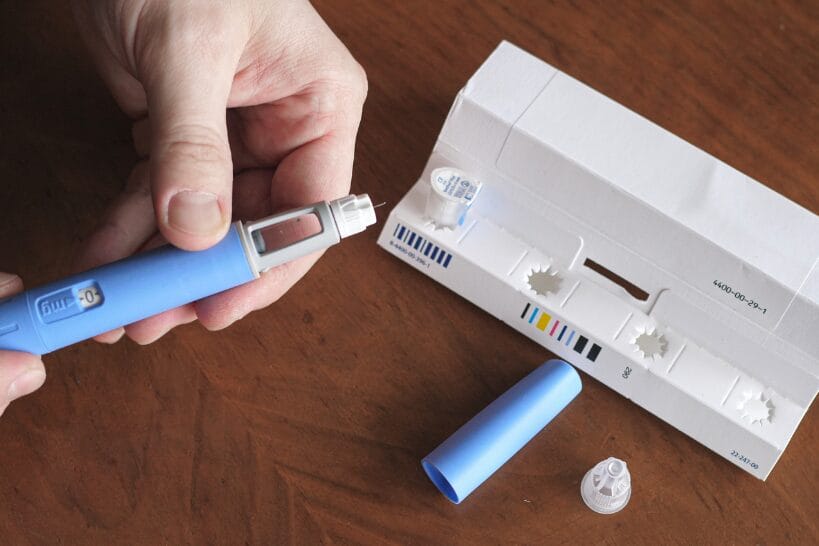


Appetite suppressants, a popular choice for weight loss, are frequently associated with a mix of misconceptions and partial truths, creating a complex and often misleading narrative. This obscurity complicates the decision-making process for individuals exploring weight loss options, as they encounter conflicting information about the efficacy, safety, and appropriate use of these products, leading to uncertainty and hesitation in their weight management strategies.
This article will help clarify the facts about appetite suppressants by separating common myths from reality. We’ll take a closer look at how they work, what’s true, and what’s often misunderstood.
Appetite suppressants are substances designed to reduce feelings of hunger, helping to lower calorie intake and support weight loss. They come in various forms, such as prescription medications, over-the-counter supplements, and natural alternatives. While they can be useful when paired with healthy lifestyle changes, they aren’t miracle cures and must be used responsibly.
Here are some of the most prevalent misconceptions, along with the facts:
Contrary to this common belief, the effectiveness of appetite suppressants can vary significantly based on individual body types and specific health conditions. It’s essential to seek professional advice before using these products — and be sure to choose quality, scientifically-backed options. When used correctly, appetite suppressants can be an effective component of a weight loss plan, but they are not a one-size-fits-all solution.
Many people mistakenly believe that appetite suppressants are a quick fix to lose weight. In reality, these supplements are most effective when combined with a balanced diet and regular exercise. They are designed to assist with weight loss efforts, not replace the fundamental principles of healthy eating and physical activity.
The safety of modern appetite suppressants and weight loss supplements has significantly improved, with many products being safe when used as directed. However, adhering to the recommended dosage and ensuring product quality is essential. Consultation with a healthcare provider is necessary to ensure these suppressants are safe for your specific health conditions and do not harm your heart.
Beyond appetite suppressants, there are several persistent myths about weight loss that deserve clarification:
This myth oversimplifies how weight gain occurs. Consuming carbohydrates, mainly when focusing on whole grains, can be part of a healthy diet regardless of the time of day. The key is moderation and balance. Carbohydrates are essential to a balanced diet, providing necessary energy for the body.
Starvation diets and extreme exercise regimens are not only unsustainable but can also be harmful to health. A balanced diet and a sustainable exercise routine are crucial for long-term weight loss and well-being. Healthy weight loss involves a gradual and steady approach, emphasizing nutritional balance and physical activity.
The notion that slim people inherently have higher metabolisms is a simplification. Various factors, including body composition, age, gender, and genetic factors, influence metabolism. It’s important to understand that metabolism varies significantly among individuals and is not solely responsible for body size.
Not all appetite suppressants are created equal. With so many different options out there, it can be tough to know which ones are actually worth considering.
A good starting point is to take a close look at the ingredients. Look for products that include clinically studied components. Try to steer clear of formulas that hide behind “proprietary blends” or load up on excessive stimulants like caffeine, which can lead to jitters or energy crashes.
What’s just as important is talking to a professional. A healthcare provider or registered dietitian can help you figure out whether an appetite suppressant is a good fit for your individual health needs. Your body, your history, your goals—they all matter when choosing something like this.
Choosing the right product isn’t just about weight loss; it’s about doing it safely, and in a way that supports your long-term health.
If you’re interested in a more natural approach, there are several simple, science-backed ways to help manage appetite that require no pills at all.
Let’s start with fiber. Foods like legumes, oats, and vegetables can help you stay fuller, longer. They slow digestion and make it easier to resist grazing between meals. Protein works similarly. Whether it’s eggs, chicken, tofu, or yogurt, adding adequate protein to your meals can curb hunger and help regulate appetite-related hormones.
Then there’s hydration. Drinking water before meals has been shown to reduce hunger for some people and may naturally lower calorie intake. And if you enjoy green tea or black coffee, both contain natural compounds that can offer a mild appetite-suppressing effect when consumed in moderation.
These small changes won’t completely replace a more structured plan, but they can go a long way when added to a balanced routine.
Appetite suppressants aren’t necessary for everyone, but in some instances, they can be a helpful tool—especially when used thoughtfully and under the guidance of a healthcare provider.
You might consider trying one if:
If any of those sound familiar, it might be worth having a conversation with your doctor or nutritionist. When used correctly, appetite suppressants can support, not replace, a healthy, focused effort toward better weight management.
Deciding whether or not to use an appetite suppressant, or simply knowing where to begin with your weight loss journey, can be overwhelming. With so many options, opinions, and conflicting advice out there, it’s easy to feel uncertain about what’s right for you, your body, and your goals.
That’s where the team at Precision Health and Wellness can help.
Whether you’re exploring appetite suppressants, looking to build a customized weight management plan, or just need expert support to finally see results, their experienced healthcare professionals are here to guide you. With a personalized, science-based approach, Precision Health and Wellness works with you to find safe, effective solutions that align with your unique health needs.
Contact us today to schedule a consultation and take the first step toward a more confident, healthier you.