
If you have been researching medical weight loss, you have likely seen terms like GLP-1, semaglutide, Ozempic, Wegovy, and tirzepatide. These names are often used in the same conversation, but they do not all mean the same thing.
GLP-1 medications have become a major topic in medical weight loss care because they can help reduce appetite, support fullness, and make it easier for some patients to follow a healthier eating plan. For many people, that support can make a real difference, especially after years of trying to lose weight through diet and exercise alone.
Still, these medications are not one-size-fits-all. The right option depends on your health history, goals, current medications, and how your body responds to treatment. This guide explains what GLP-1 medications are, how semaglutide works, how Ozempic fits into the conversation, and when to speak with a provider.
GLP-1 stands for glucagon-like peptide-1. It is a hormone your body naturally makes after you eat. GLP-1 helps regulate appetite, fullness, digestion, insulin response, and blood sugar.
GLP-1 medications are designed to act like this natural hormone. They help signal to your brain that you are full, slow how quickly food leaves your stomach, and may reduce cravings. Because of these effects, many patients feel satisfied with smaller portions.
These medications were first developed for people with type 2 diabetes. Over time, providers saw that some patients also lost weight while using them. Today, certain GLP-1 medications are used as part of medical weight loss plans for patients who meet clinical criteria.
GLP-1 medication is not a shortcut or a replacement for healthy habits. It works best when paired with nutrition changes, physical activity, and regular medical follow-up.
Semaglutide is one of the most recognized GLP-1 medications. It is the active ingredient in medications such as Ozempic and Wegovy. Wegovy is labeled for chronic weight management when used with a reduced-calorie diet and increased physical activity, while Ozempic is labeled for adults with type 2 diabetes and certain related risk reduction uses.
For weight loss support, semaglutide works by helping reduce hunger and improving the feeling of fullness after eating. This can make it easier to eat smaller meals and stay consistent with a nutrition plan.
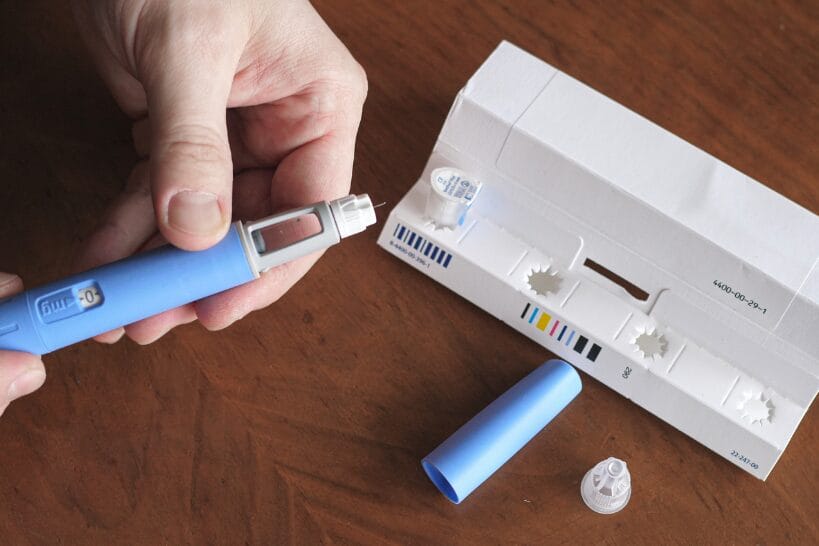
Semaglutide is commonly taken as a once-weekly injection. In most treatment plans, the dose starts low and increases over time. This gradual approach helps the body adjust and may reduce side effects, such as nausea or stomach discomfort.
Results vary. Some patients lose more weight than others. Factors such as starting weight, dosage, food choices, activity level, medical history, and consistency with follow-up visits all play a role.
If you are considering this type of care, Precision Health and Wellness offers personalized support for medical weight loss in Worthington, OH and the surrounding Columbus area.
Ozempic contains semaglutide, but Ozempic and semaglutide are not exactly the same thing.
Semaglutide is the active ingredient. Ozempic is one brand name for a semaglutide medication. Wegovy is another semaglutide medication, but it is used differently and has different labeling.
This matters because many people search for Ozempic when they are really trying to learn about GLP-1 medications for weight loss. Ozempic is widely discussed because some people using it experience weight loss, but a provider should help determine which medication, if any, is appropriate for your goals and health needs.
Choosing a medication should never come down to popularity alone. Your provider may consider your BMI, medical history, lab work, current medications, side effect risk, and long-term plan before making a recommendation.
Semaglutide is one of the leading medications in the GLP-1 category, but it is not the only option patients ask about. Tirzepatide is another injectable medication often discussed in medical weight loss care. It works on both GLP-1 and GIP pathways, which may affect appetite and food intake.
Some patients may respond well to semaglutide. Others may be better suited for a different medication. Access, insurance coverage, medical history, side effects, and treatment goals can all affect the final choice.
The best medication is not always the one with the biggest headline. It is the one that fits your body, your health profile, and your ability to stay consistent with care.

GLP-1 medications are usually considered for adults who meet certain medical criteria. Many candidates have a BMI of 30 or higher. Some patients may qualify with a BMI of 27 or higher if they also have a weight-related condition, such as high blood pressure, high cholesterol, sleep apnea, insulin resistance, or type 2 diabetes.
A provider may also review your past weight loss attempts, current medications, family history, and risk factors. GLP-1 therapy may not be recommended for patients with certain medical conditions, including a personal or family history of medullary thyroid carcinoma, Multiple Endocrine Neoplasia syndrome type 2, pregnancy, or certain digestive, gallbladder, or pancreas concerns.
A consultation with a medical weight loss specialist can help you understand whether GLP-1 therapy may fit your goals, health history, and lifestyle.

A weight loss consultation is the right time to ask clear questions. You do not need to know which medication is right before you come in. A qualified provider can help you compare your options and explain what makes sense for your body.
Helpful questions include:
These questions can help you feel more prepared and confident before starting treatment.
GLP-1 medications can be helpful, but they require the right oversight. Medical guidance matters for dosing, safety, side effect management, and long-term planning.
A provider can help you set realistic expectations and make adjustments as your body responds. They can also help you avoid unsafe choices, including using medication without proper screening or follow-up.
The goal is not just to lose weight. The goal is to build a plan that supports better health, better habits, and steady progress over time.
If you are researching semaglutide, Ozempic, or GLP-1 medications, you may be ready for a more personal conversation.
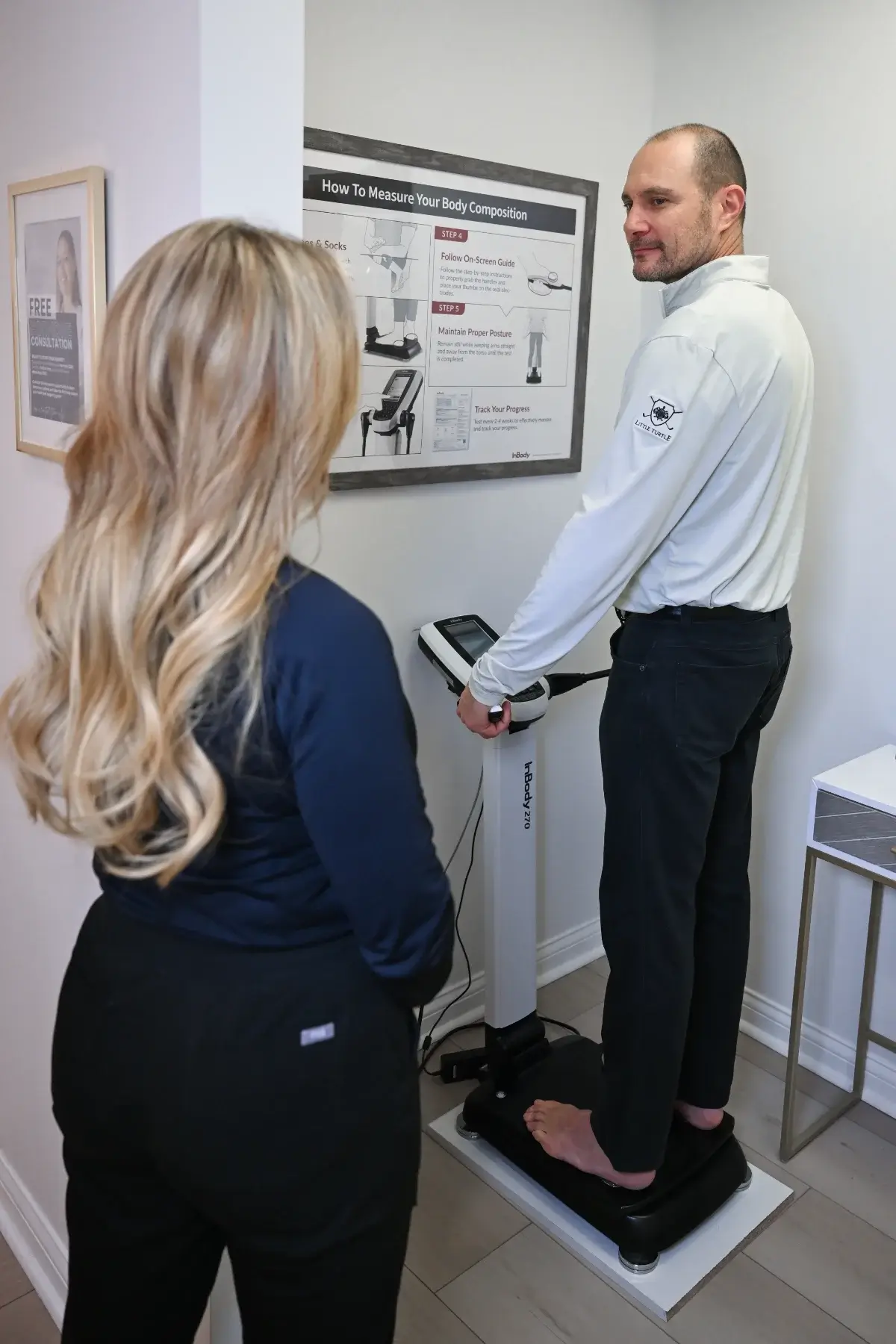
Precision Health and Wellness offers complimentary weight loss consultations for patients in Worthington and the Columbus area. During your consultation, the team can review your health history, discuss your goals, and help determine whether medical weight loss may be a good fit.
You do not have to choose a medication on your own. Start with a conversation, get clear answers, and learn what options may be appropriate for you.
Schedule your complimentary weight loss consultation with Precision Health and Wellness today.
A GLP-1 medication acts like a hormone your body naturally makes after eating. It may help reduce appetite, increase fullness, slow digestion, and support blood sugar regulation.
Ozempic contains semaglutide. Semaglutide is the active ingredient, while Ozempic is a brand name medication. Other medications, such as Wegovy, also contain semaglutide but may be used differently.
Semaglutide may support weight loss for some patients when used with medical guidance, nutrition changes, physical activity, and routine follow-up. Results vary by person.
Both contain semaglutide, but they have different labeling and treatment uses. Ozempic is commonly associated with type 2 diabetes care. Wegovy is used for chronic weight management with diet and increased physical activity.
Yes. If you are curious about GLP-1 medication, semaglutide, or Ozempic, a consultation can help you understand whether this type of treatment may be appropriate for your health history and goals.